In Search of Amnesia
In Search of Amnesia is a five-year documentary photography project researching the Jewish narrative in Poland and Ukraine. The project is concerned with how Jewish memory is held in places that suffered atrocity and immense loss. The title of the project refers to a state of trauma: amnesia is repressed memories, searching for amnesia akin to the process of being inextricably drawn to this deep sense of loss whilst at the same time unable to fully revisit the site of original trauma. The images I present occupy this psychological space: the push pull between the horror and the wish to rectify history.
On the 2nd January 2017 I flew to Krakow - this was the start of a long term documentary project and begins, almost predictably, in Auschwitz, but then follows a route that shifts and changes, following leads and hunches, ideas and directions, rivers and transportation lines, ‘dead ends’ and surprising synagogues. Though the Holocaust looms large, casting its shadow backwards and forwards, this is not specifically about the Shoah. Within Poland and Ukraine, there is a rich historical narrative of a vibrant, interconnected Jewish culture that developed within Galicia, Volhynia, Podolia and the Kiev Region. These were formerly part of the Habsburg Empire of Austria, a region nestled between Poland and The Russian Empire, and the Pale of Settlement, a region that stretched from the Baltic Sea to the Black Sea. These regions had for centuries been a haven for Judaism and the centre for European Jewish settlement. Poland’s & Ukraine’s cities, towns and villages once held sizeable Jewish populations active in trade, commerce and politics: the shtetls were a product of Jewish trade promoted and taxed by Polish nobility. Within this narrative is the birth of Hassidism, a spiritual reform of the orthodox tradition, and the rise of Haskalah, the Jewish Enlightenment, an intellectual reform of Jewish tradition. This was destroyed during the Second World War by the German policies and aktions designed to deal with the ‘Jewish problem’ and clear the way for the German Volk. Today it is difficult to find traces of these once vibrant communities in the small towns and villages where Jews once comprised a significant proportion of the population.
This project, therefore, seeks to find traces of this narrative through a variety of methods: by seeking remnants in the form of still extant synagogues, often repurposed; by looking for the physical objects, the relics, stored in museums or sold as tourist trinkets; and by meeting the various custodians of memory: the historians, conservationists, archivists, forensic archeologists, tour guides, artists and academics.
The subtext of terror is heavy in all the images I present here – no image stands alone; all images are layered with complex trauma. But there is also an important question posed within this project about how the memory of Jewish loss is both intensely remembered and absently forgotten. As shown in the images there is often a contradiction at play between philosemitism, an intense love of all things Jewish, and prejudice in the form of stereotype – perhaps epitomised by the stereotypical bearded Jew sold as tourist trinkets in many city centres.
However, on my numerous trips to Poland and Ukraine, I also came across both the surprising and the hopeful: an exhibition of Yiddish puppets in Kyiv; an extensive and rapidly growing archive of Jewish memory held by the Brama Grodzka Theatre Company in Lublin; interconnected Jewish communities south of Kyiv; and The Forum for Dialogue, a network of non-Jewish Polish people heavily invested in remembering the Jewish past.
As I travelled through this memory rich landscape I kept a journal attempting to make sense of overt and buried memories, past atrocities and contextual history.
below is a link to further text extracts from the project:


Disinfection Units, Birkenau, Poland
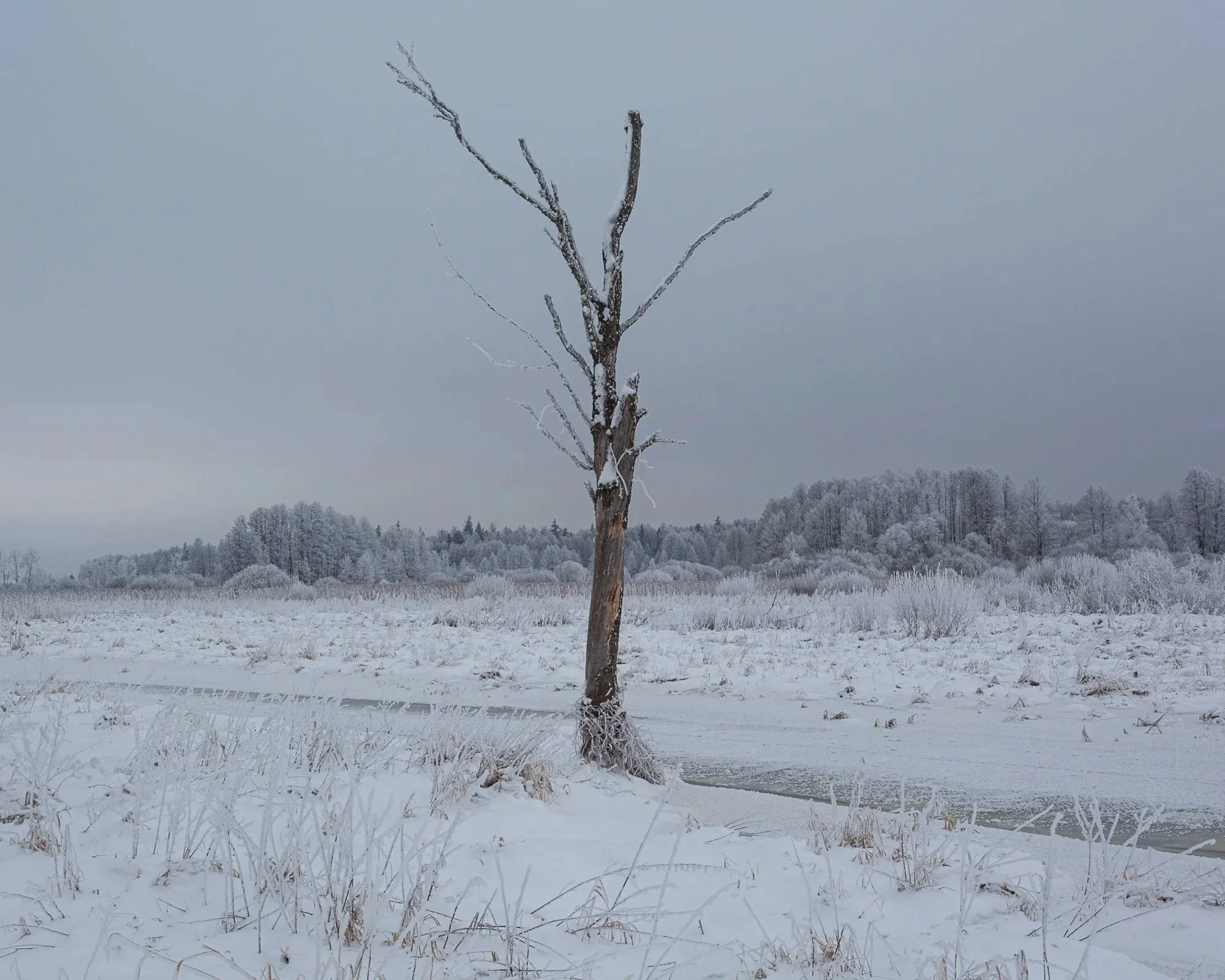
The language of trauma is the language of this absolute erasure, not imaginable in the past or present but, always, as something missed, and about to return, a possibility of a trauma in future.’ ~ Cathy Caruth: Literature in the Ashes of History
Białowieża Forest, Poland

Box Truck, Białowieża, Poland

Caravan, outskirts of Treblinka, Poland

Boat, Frozen Lake, Kock, Poland
‘Freud taught us that memory and forgetting are indissolubly linked to each other, that memory is but another form of forgetting, and forgetting a form of hidden memory.’ ~ Andreas Huyssen: Present Pasts: Urban Palimpsests and the Politics of Memory

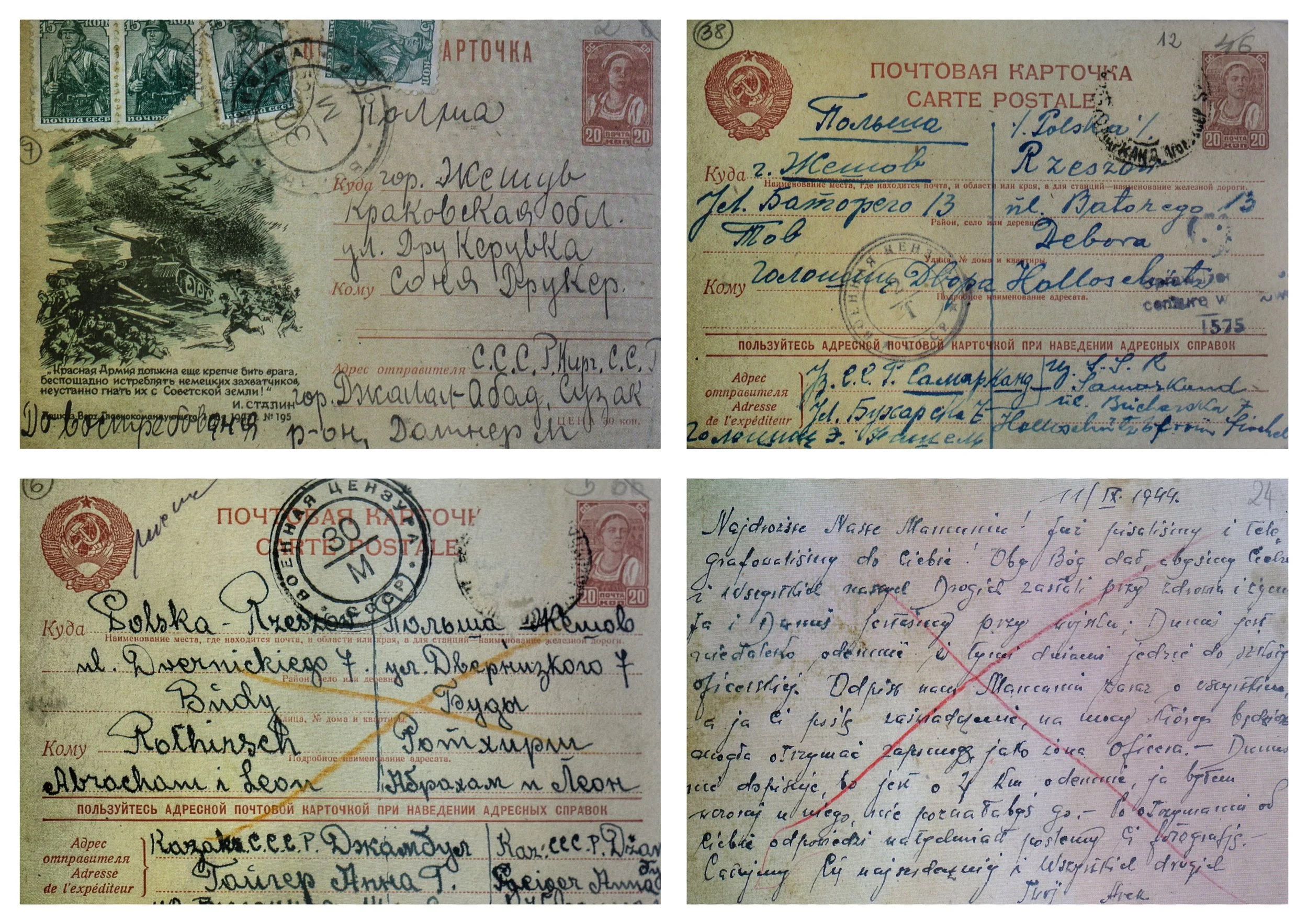
Letters, Rzeszow State Archive, Poland - written by Russian Jews to Polish authorities seeking information regarding the fates of their families.
Former barracks, Birkenau, Oświęcim, Poland
‘This crucial aspect of the human condition – belonging, knowing your narrative – is damaged for many. And damaging the narrative of a people (cultural genocide) is at the core of a destructive, transgenerational process that has many negative manifestations - the neurobiological consequences of stripping a community or culture of their language, customs, religious beliefs or child-rearing practices are devastating.’ - Bruce D. Perry, M.D, Ph.D

Wooden Houses, (former Jewish homes), Kock, Poland
'
Yet even before Freud, we knew how fragmentary, evasive, unreliable, and even full of fantasy memory is – especially memory that is formed, and deformed, by trauma.’ ~ Susie Linfield: The Cruel Radiance
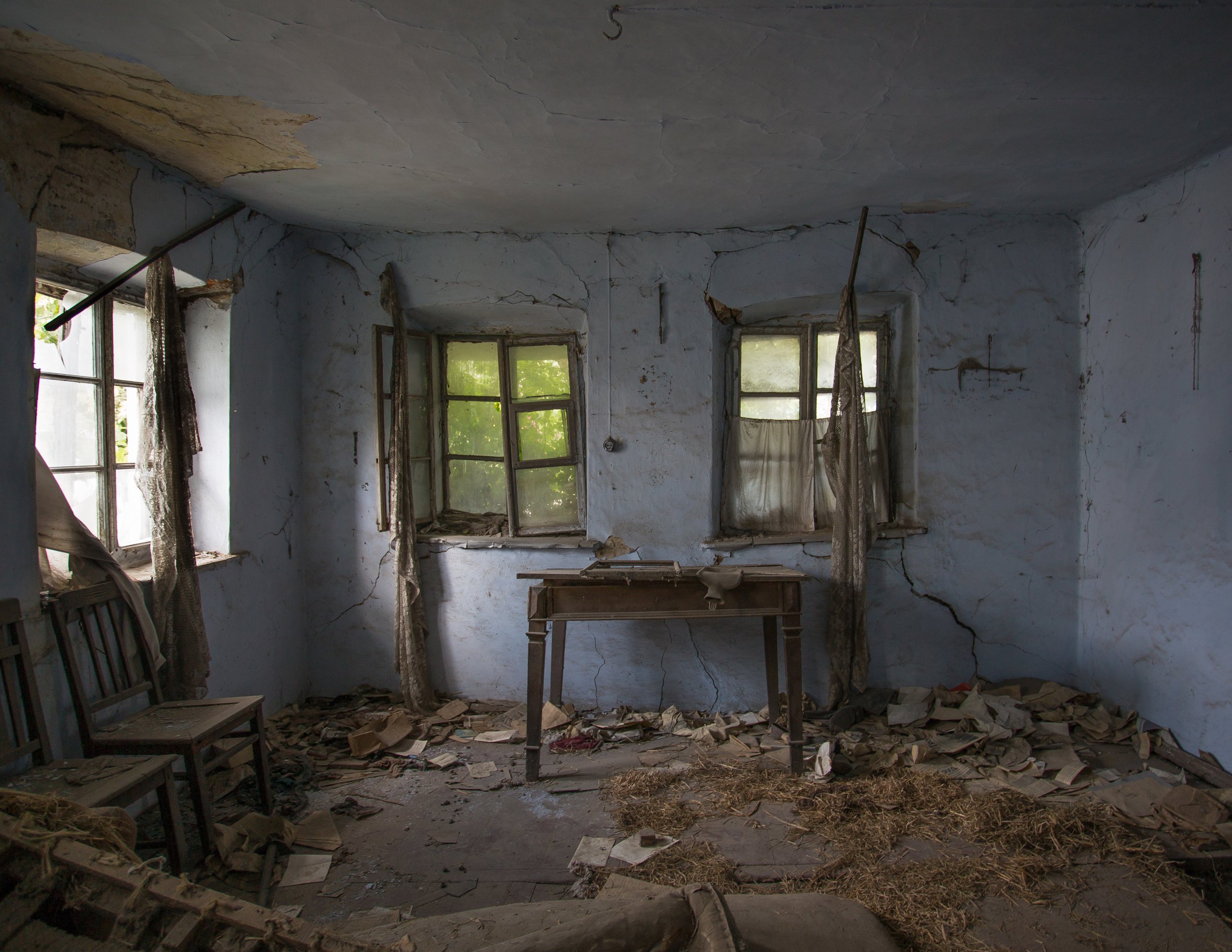

Basement, Chortkiv Synagogue, Ukraine
Former Jewish home, Sataniv, Ukraine

Elderly Jewish Man, Holocaust survivor from a village near to Zvenyhorodka, Ukraine

Andriy, outside the Maternity Hospital (former Israelite Jewish Hospital), Lviv, Ukraine
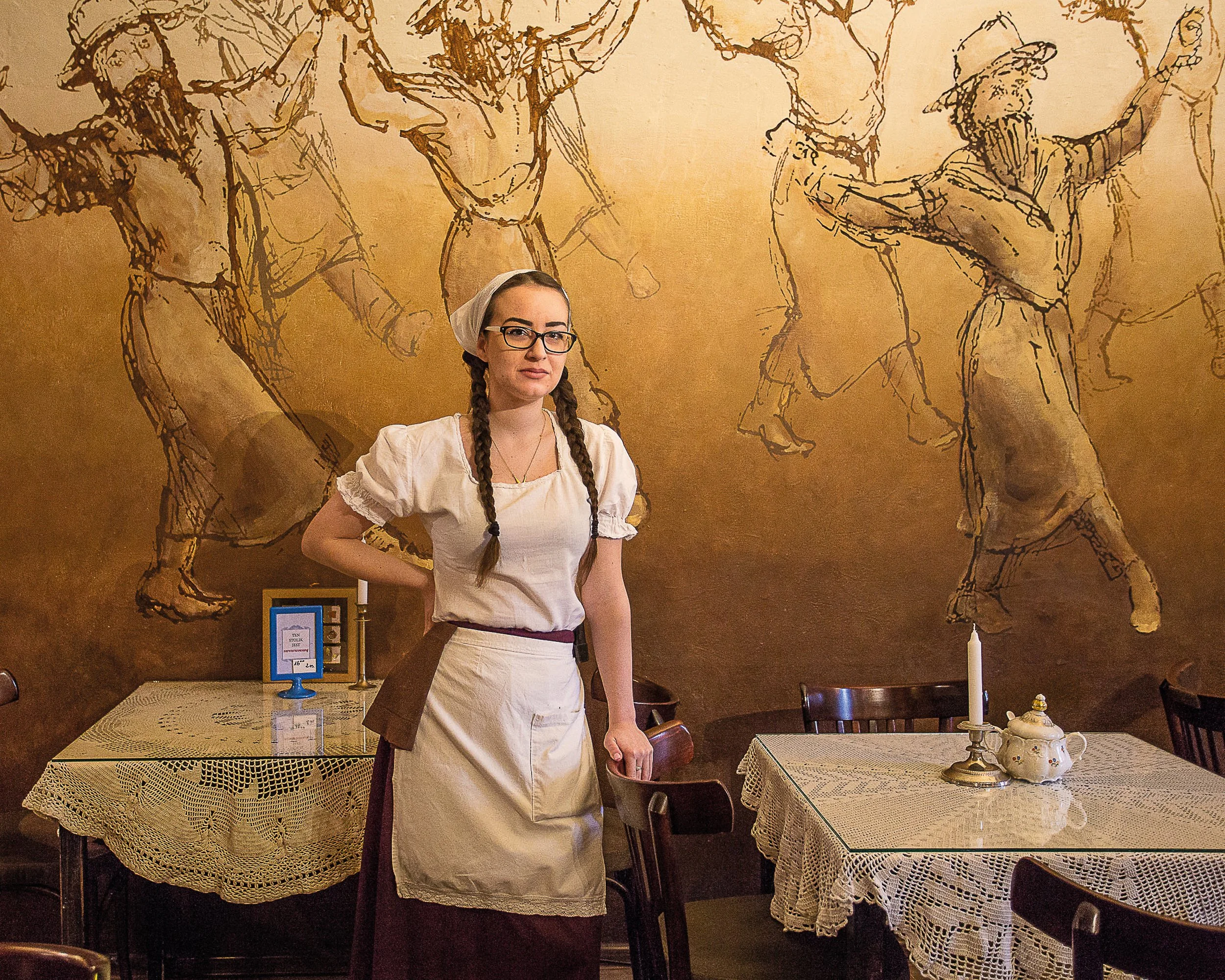
Valentyna, Waitress, Mandragora Jewish themed restaurant, Lublin, Poland
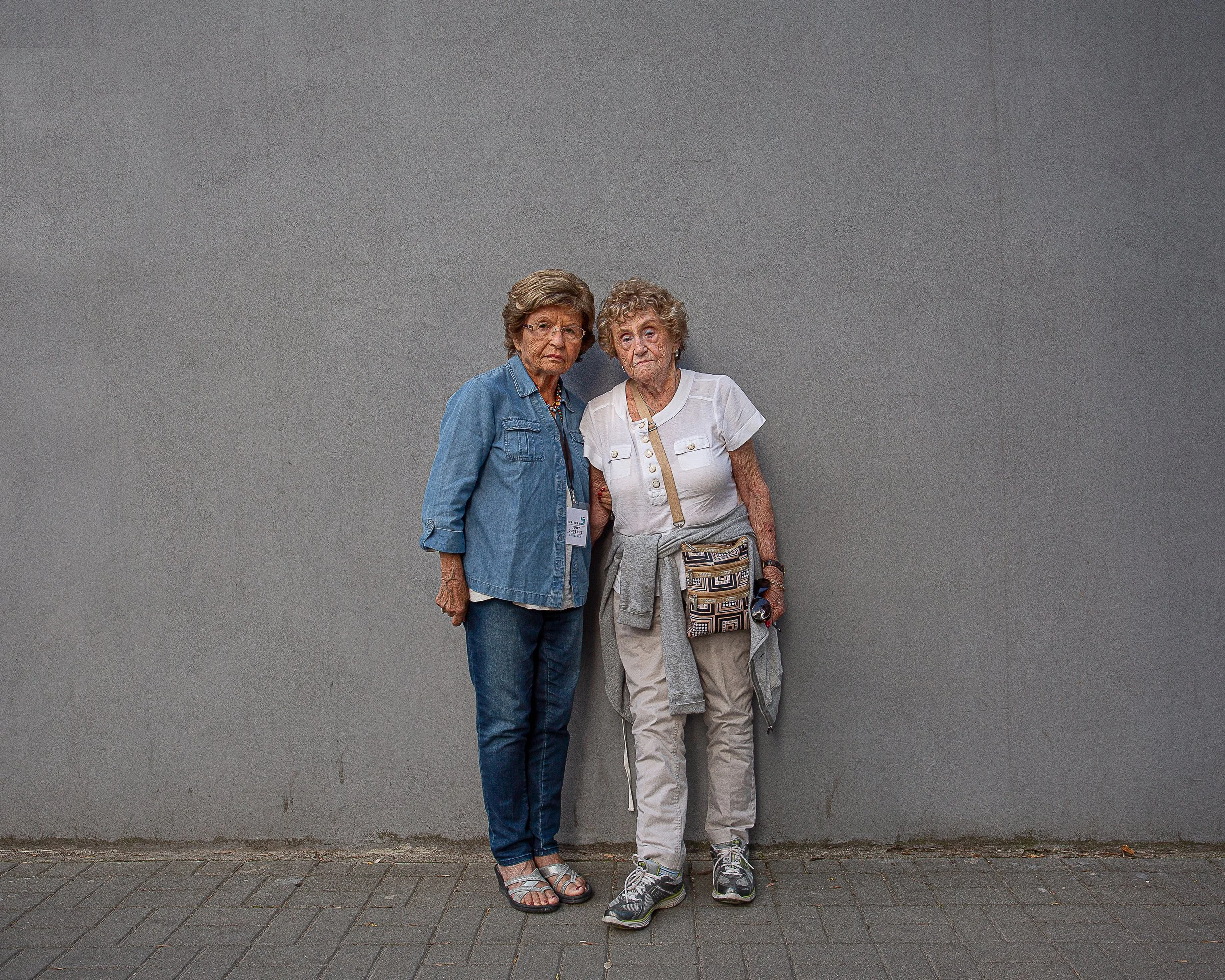
Judy and Rose, Holocaust Survivors, Lublin Ghetto, Poland

Goats, Zvenyhorodka Jewish Cemetery, Ukraine
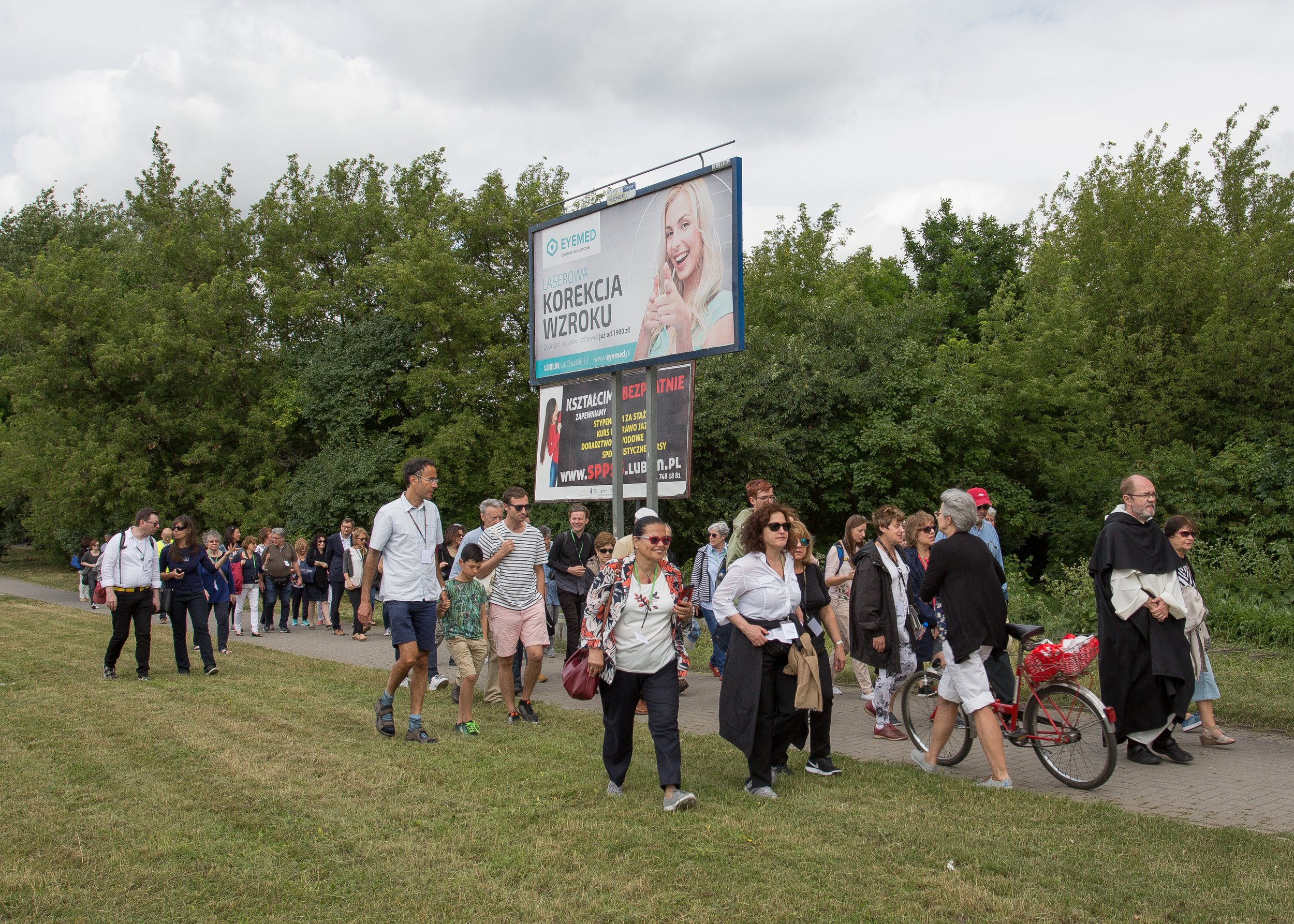
Memorial Walk, Lubliners Reunion 2017, Lublin, Poland - following the route that the Jews were marched out of the ghetto to the Umschlagplatz (holding area adjacent to railway station), the last stage before their deportation to the death camps of Belzec, Sobibor and Treblinka
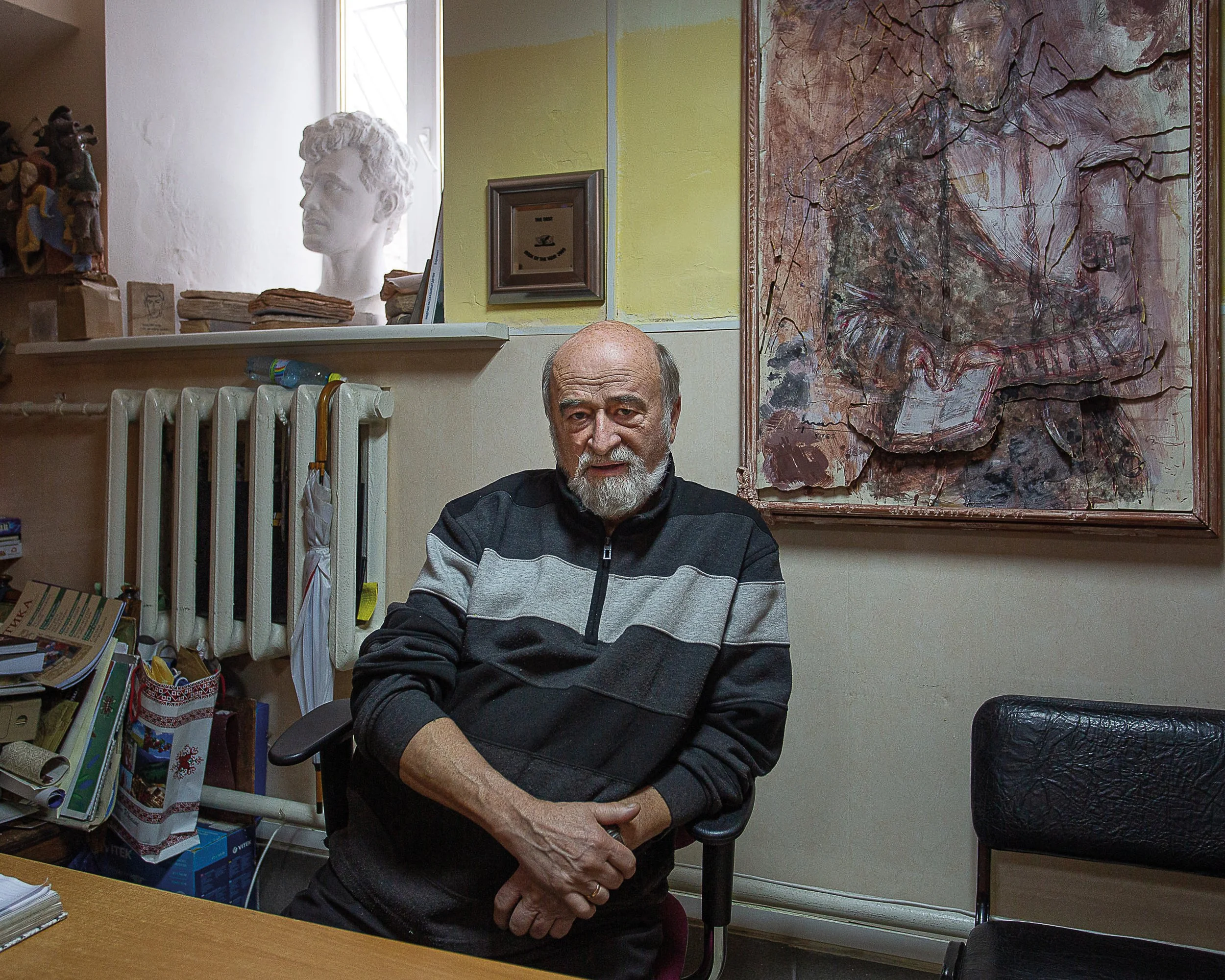
Leonid Finberg, Center for Studies of History & Culture East European Jewry, Kyiv-Mohyla Academy, Ukraine
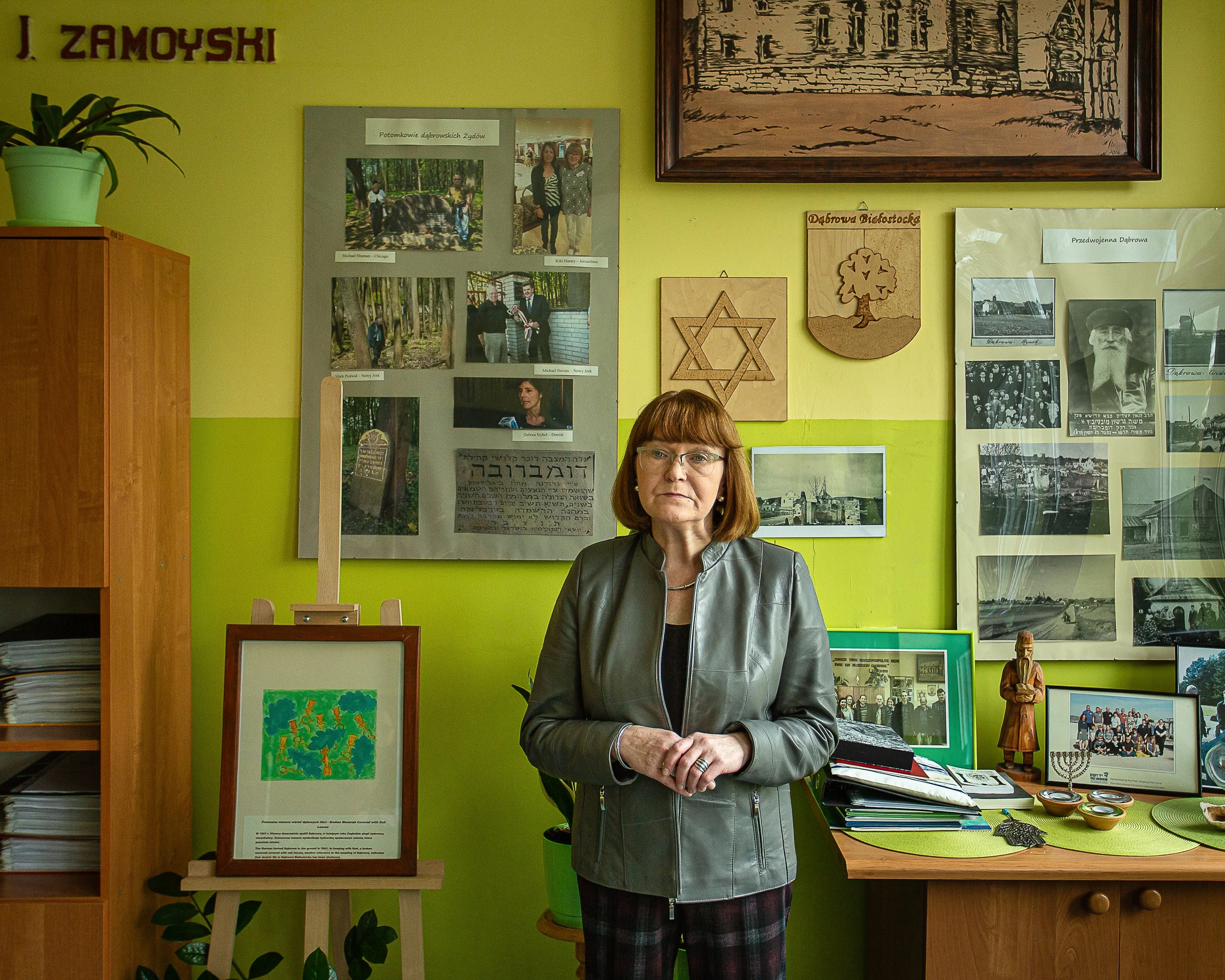
Dorota, Forum Dialogu, Liceum Ogólnokształcące, Dąbrowa Białostocka, Poland
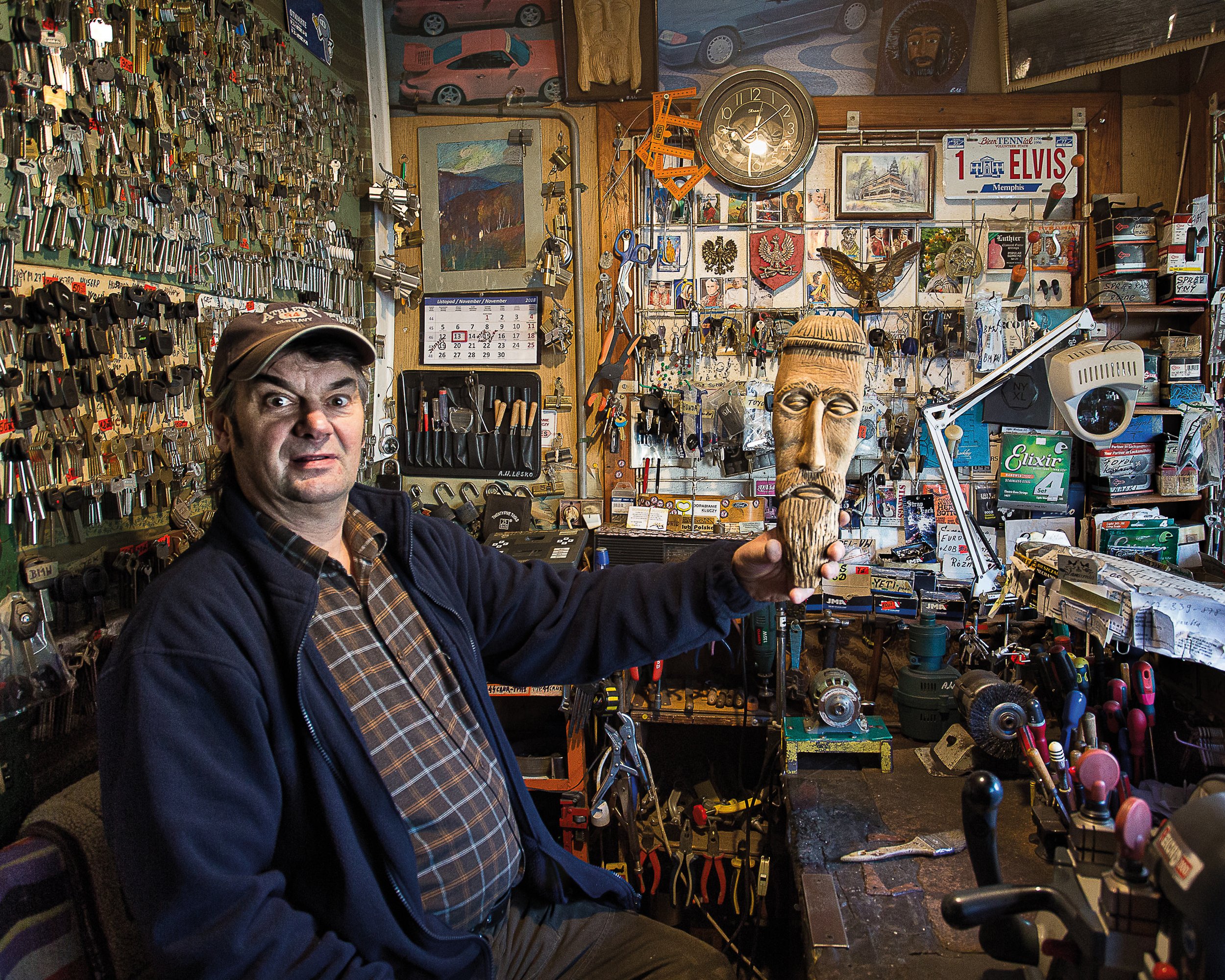
Kiosk worker, holding Jewish mask, Lescun, Poland
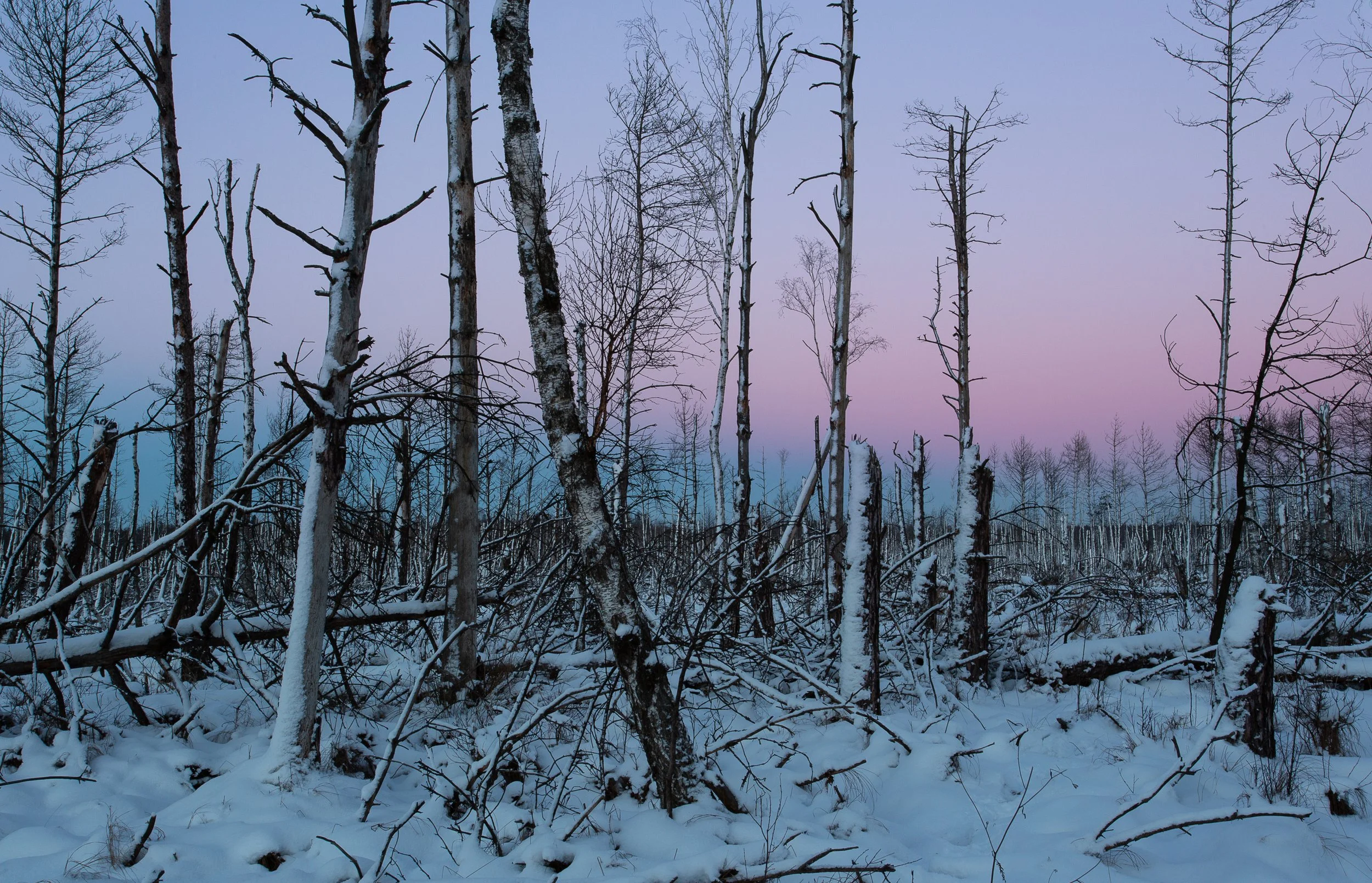
Denuded Forest, near to Sobibor, former Death Camp, Poland
click on image for link to shop